
Echo Arts proudly presents no subject (non-attachment), a solo exhibition of new paintings by Chicago-based visual artist Audrey Barcio, 2019 Pollock-Krasner grantee and 2021 Joan Mitchell Fellowship nominee.
Assigning meaning to abstraction can be tricky. Barcio playfully alludes to the mysterious condition of her work in the title of this exhibition.
“No subject has something to do with filling in the gaps of our communication,” she says. “When you quickly send an email and you don’t put a subject line, the algorithm populates ‘no subject’ as subject. It’s like a voice from beyond transmitting something to you, but the something it’s transmitting is nothing, which kind of makes me smile because it’s similar to what some people say about abstract art.”
The second part of the exhibition’s title was inspired by a 17th century haiku by Japanese poet Matsuo Bashō, from his book On Love and Barley:
Skylark on moor —
sweet song
of non-attachment.
“I was reading haikus during breaks in my studio,” Barcio says. “This one really resonated with how I was feeling working through my memories and my influences. I tried to email it to myself, and obviously the text has the word attachment in it, but I didn’t attach a file, so when I hit send I got that warning that says, ‘It looks like you forgot your attachment.’ The algorithm can’t deal with Bashō.”
Concepts such as communication, memory and attachment are expressed plainly and elegantly in Barcio’s new paintings through materials, methods and forms that connect her present evolution to the influences of her past.
Pyramids are among the defining visual elements of the work. When asked what they reference, Barcio says, “Maybe nothing. Or they might come from one of my favorite Agnes Martin paintings, which has two black pyramids with gold tops. They can be referenced as breasts. I often think about that painting as being such a powerful statement of equality, from researching Egyptian culture and pyramids, how women and men for their final burial places had the same sized tombs. I find that fascinating. I think about the idea of nurturing and empowerment. There’s an interesting dichotomy there. A lot of my influences are women.”
Barcio recalls living in Las Vegas for three years, where she became mesmerized by the pyramid-shaped Luxor casino, and how you can see the spotlight it shoots from its tip all the way in space.
“This giant breast is showering the universe with illumination,” she says. “There’s also this mysticism that goes along with pyramids, the ancient and the new. In Vegas, it’s a connection between chance and luck—both have strong believers, but one is real and one is imagined.”
In addition to Agnes Martin, Barcio lists Anni Albers, Sophie Taeuber-Arp and Hilma af Klint as other women artists who have helped inform her visual language. But foremost among her aesthetic influences is her grandmother.
“My grandmother was my first art teacher,” Barcio says. “She moved from figurative painting to abstraction as she grew older and lost her eyesight. That’s where her work became more about the inner vision, communicating what’s going on inside her mind and heart, instead of recreating what existed in the outside world. As a seven-year old, that was profound to me.”
Barcio similarly had to re-imagine her own artistic evolution when, in her 20s, a car accident resulted in the loss of several fingers on her dominant hand.
"Maybe that’s why I’m obsessed with the relationship between the fake and the real, because I wear prosthetics,” Barcio says. As a material homage to her heritage, Barcio introduced the technique of sewing to her practice with this body of work.
“In addition to being a fantastic painter, my grandmother did a lot of sewing. She had a household to manage and her art studio was just a corner next to the potbelly stove in her dining room. So with this body of work, sewing is part of the composition. It’s literally stitching together my personal history with that of art history.”
Barcio sewed the surfaces of these paintings together from a mix of raw canvas and strips of fabric bearing a grey and white checkerboard pattern. She uses the checkerboard both to allude to abstract art history, and as a concrete manifestation of the checkered background digital designers recognize as a symbol of emptiness waiting to be filled.
“I’m thinking about what’s present and what isn’t,” Barcio says. “When I was around my grandmother and listening to her talk about painting, that influenced me, and as an artist you need to carry that forward and keep that communication going. Time is cyclical. There’s this phrase, ‘We’re all here but we all can’t be here at the same time.’ We shouldn’t be so attached to loss because everything is still here, even if the person isn’t.”
Reflecting once more about how this latest body of work grew out of the losses that affected both her grandmother’s painting practice and her own, Barcio shares another haiku by Bashō:
Come, see real
Flowers
Of this painful world.
“Even in pain we’re meant to see the flowers,” Barcio says. “Maybe these stitched paintings aren’t about anything. Or maybe they’re about seeing the good and the bad. We’re meant to experience both. We have the choice of what to carry with us. Maybe we carry forth the beauty.
-Phillip Barcio.
Untitled | 2021 | Acrylic, Flashe and Mica on Stitched Canvas | 12 x 10 in.
Untitled | 2020 | Acrylic, Flashe and Mica on Canvas | 18 x 16 in.
For Anni | 2021 | Acrylic, Flashe, Graphite on Stitched Canvas | 12 x 10 in.
For Agnes | 2021 | Acrylic, Flashe and Mica on Stitched Canvas | 12 x 10 in.
Untitled | 2021 | Acrylic, Flashe and Mica on Stitched Canvas | 38 x 30 in.
Untitled | 2021 | Acrylic, Flashe and Mica on Stitched Canvas | 12 x 10 in.
Untitled | 2021 | Acrylic, Flashe and Mica on Stitched Canvas | 12 x 10 in.
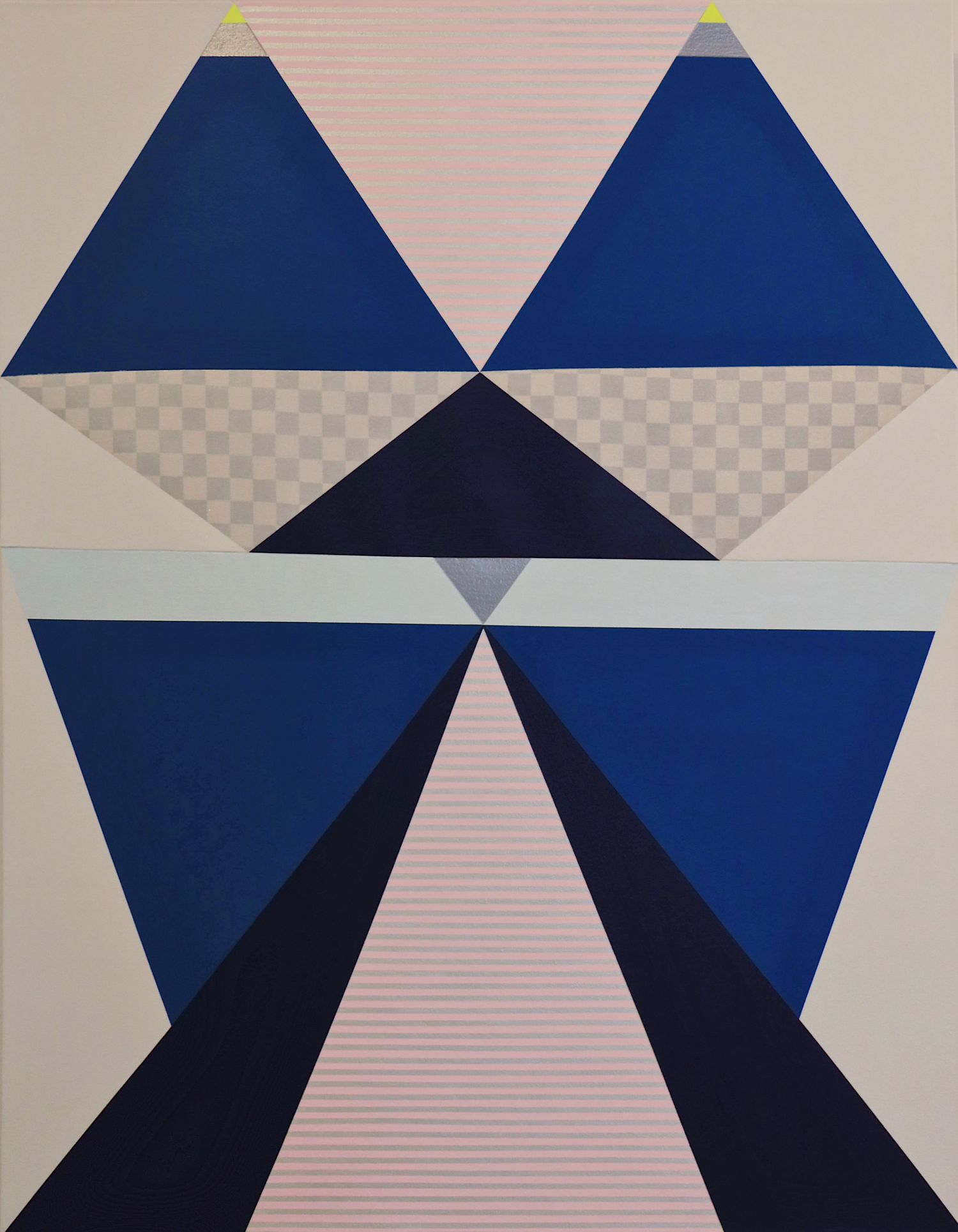
Untitled | 2020 | Acrylic, Flashe and Mica on Stitched Canvas | 54 x 42 in.
Untitled | 2020 | Acrylic, Flashe and Mica on Canvas | 18 x 16 in.
Untitled | 2021 | Acrylic, Flashe and Mica on Stitched Canvas | 12 x 10 in. each
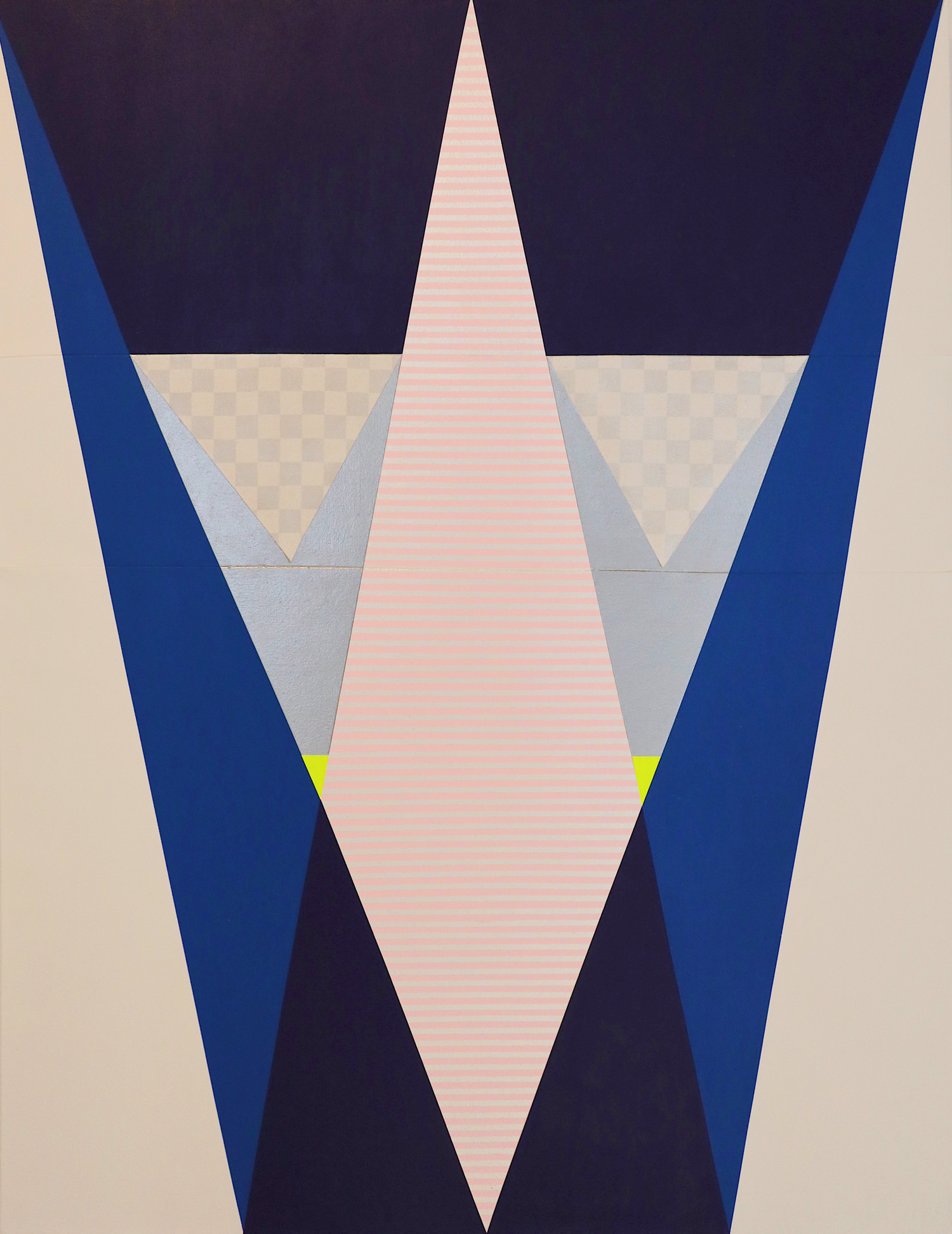
Untitled | 2021 | Acrylic, Flashe and Mica on Stitched Canvas | 12 x 10 in. each
Untitled | 2020 | Acrylic, Flashe and Mica on Canvas | 18 x 16 in.
Untitled | 2021 | Acrylic, Flashe, Graphite and Mica on Stitched Canvas | 18 x 16 in. each
Untitled | 2021 | Acrylic, Flashe and Mica on Stitched Canvas | 12 x 10 in. each
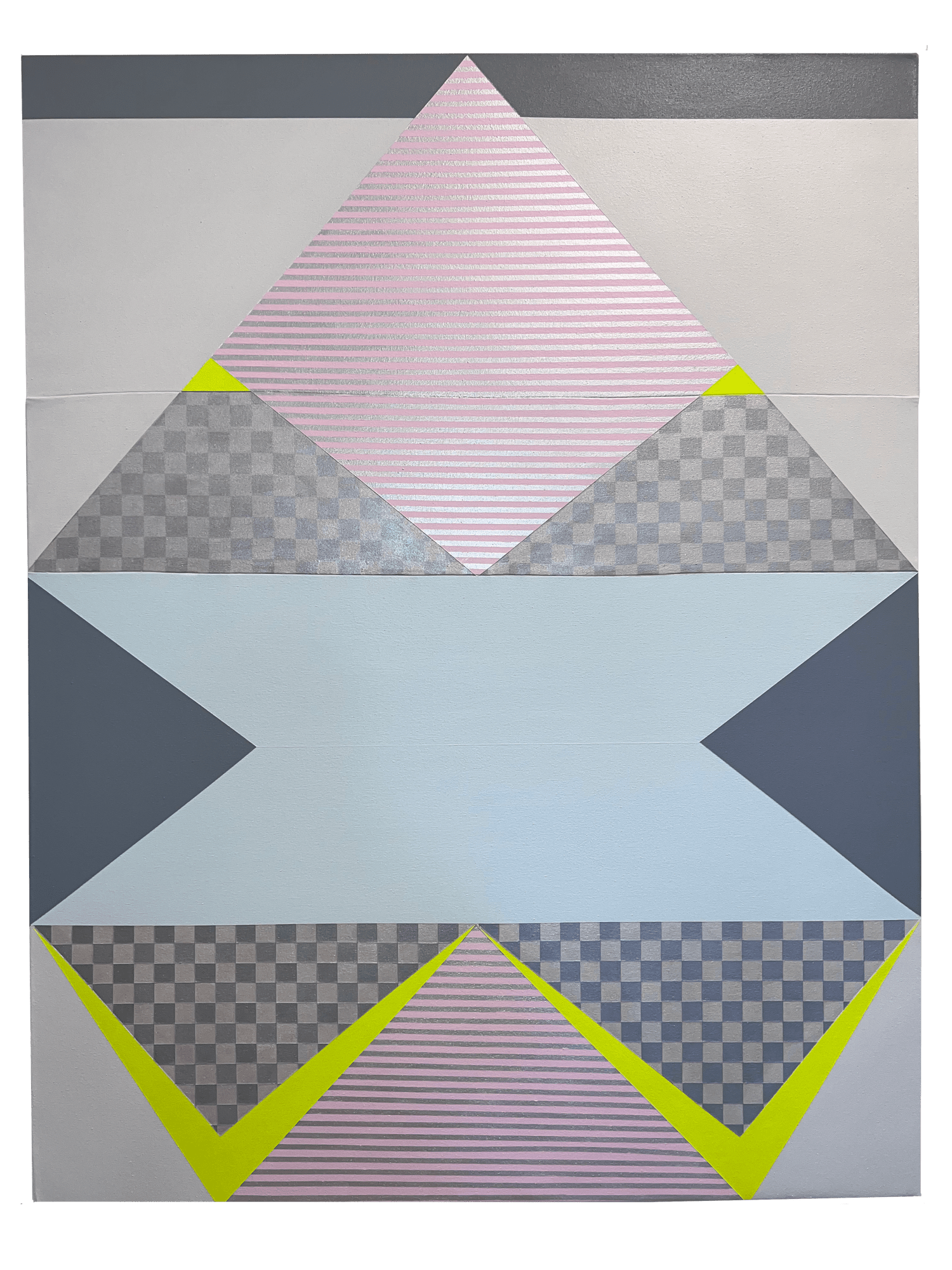
Untitled | 2020 | Acrylic, Flashe and Mica on Stitched Canvas | 54 x 42 in. each
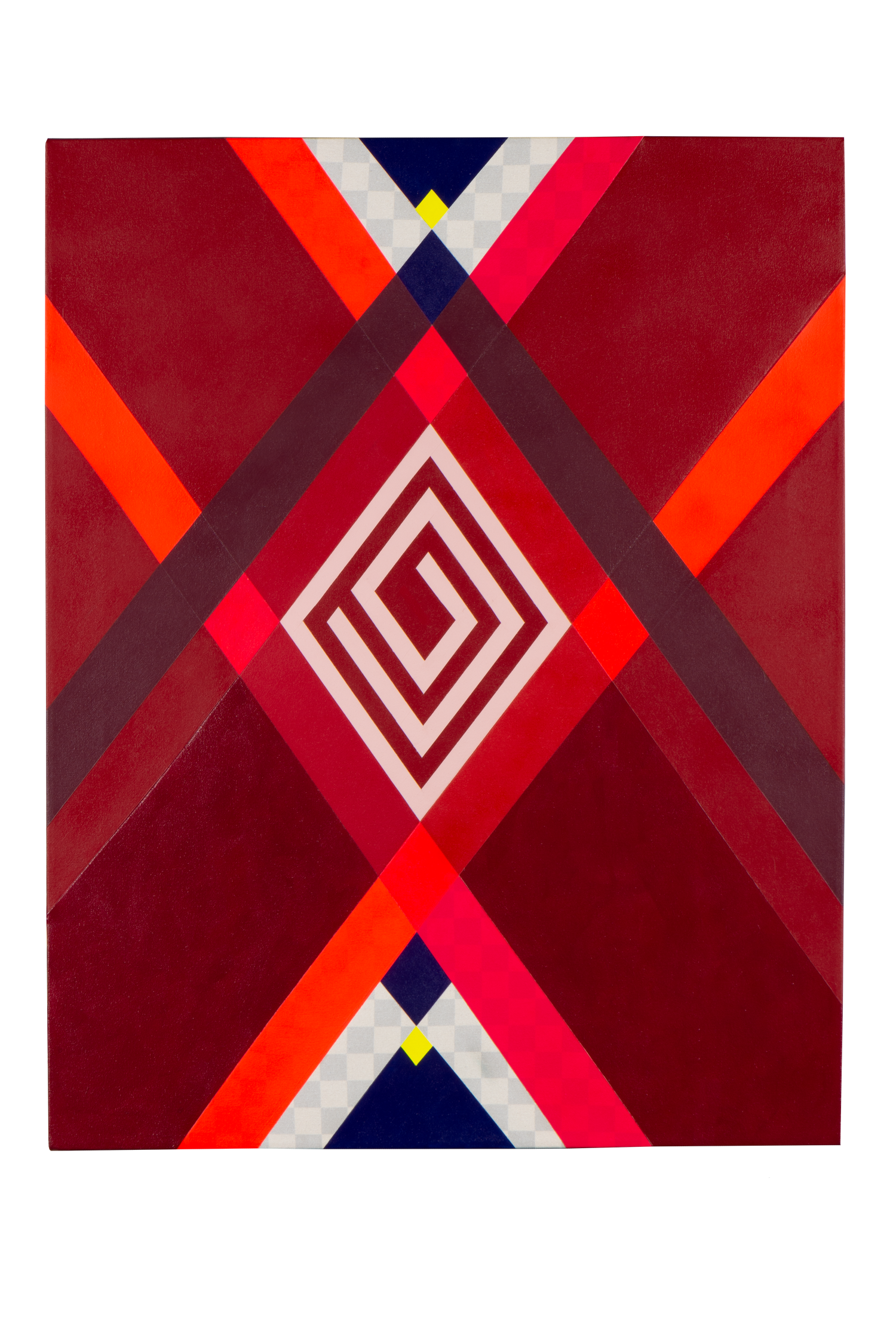
Untitled | 2021 | Acrylic, Flashe and Mica on Stitched Canvas | 38 x 30 in. each
Untitled | 2021 | Acrylic, Flashe and Mica on Stitched Canvas | 12 x 10 in.
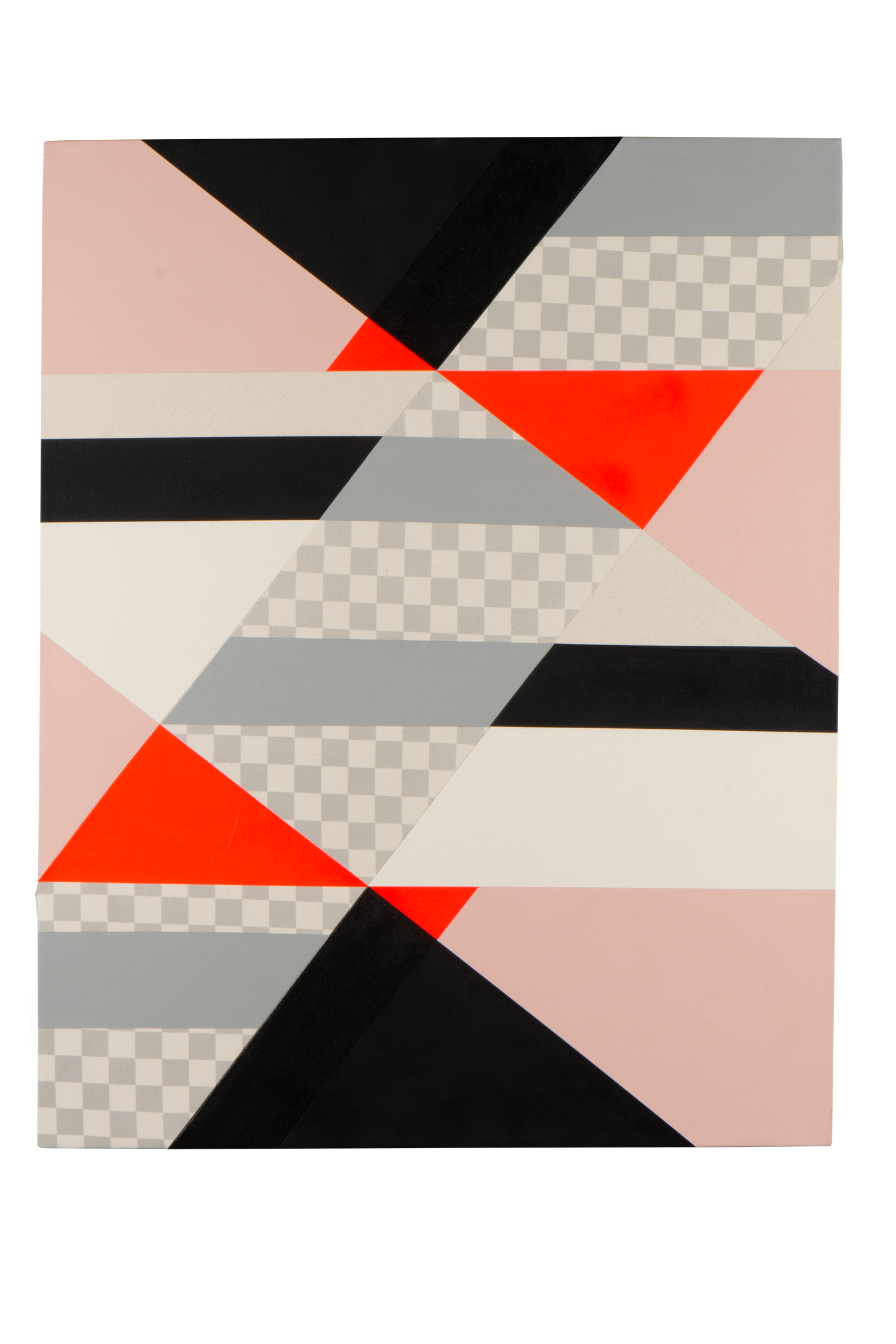
For Sophie | 2021 | Acrylic, Flashe and Mica on Stitched Canvas | 38 x 30 in. each
Audrey Barcio received her BAE from Herron School of Art and Design and her MFA from the University of Nevada, Las Vegas. She attended the Pont-Aven School of Contemporary Art in Brittany, France and completed a Vermont Studio Center residency in 2017. She is a 2019 Pollock-Krasner Foundation Grant recipient and a 2021 Joan Mitchell Fellowship nominee. Her work has been published in New American Paintings and has been featured in multiple group exhibitions around the US, including Art in America at the Art Miami Satellite Fair, ART IN CONTEXT: Selections from the Marjorie Barrick Museum of Art Collection, Las Vegas, Nevada, and GLAMFA at UC Long Beach. Recent solo exhibitions include: Syracuse University, New York, the Las Vegas Government Center, Las Vegas, NV, University of Nevada, Las Vegas, and Tube Factory, Indianapolis, IN. Barcio’s work is included in several public and private collections, including that of the Barrick Museum of Art. Audrey Barcio lives in Chicago and is an Assistant Professor at Ball State University.